





Reincarnation and the Near Death Experience

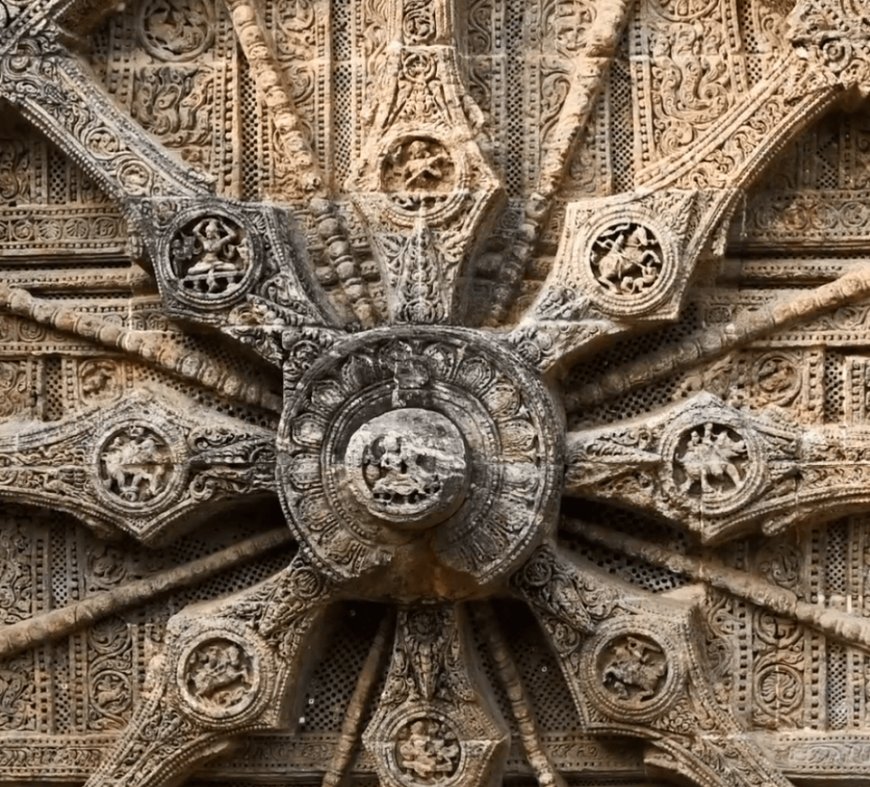
 Reincarnation philosophies are most developed in the Indian religions but are prevalent throughout all of world history. The various Indian religions differ on the details but all share a doctrine of karma, the law of cause and effect, and believe the birth-death cycle ultimately ends when the individual self achieves union with God. Meaning that liberation is an internal process, and a choice that only the individual can attain for themselves.
The mainstream monotheistic religions reject reincarnation, teaching there is only one earthly life. But several other groups have always embraced reincarnation. This includes the Gnostics, the Rosicrucians, and just about every Western Occult tradition. Reincarnation was documented in Ancient Greece by Pythagoras, Socrates, and Plato. And it exists in varying forms among indigenous peoples everywhere. A common thread across most traditions is that our Earth reality exists for souls to learn from human experience, and a single life isn’t long enough to learn what a soul needs to learn.
In the 19th-century, Albert Heim collected the near-death accounts of mountain climbers, soldiers, and people who’ve drowned. But modern NDE research began with Raymond Moody’s 1975 book, Life After Life, which coined the term, Near-Death Experience. A near-death experience, NDE, is a profound, vivid and conscious event that people experience when clinically dead, close to death, or facing a severe crisis. Some researchers think the NDE is a surge of brain activity caused by the brain failing, but there is no proof of that, and it is mostly still a mystery.
What’s most interesting is that within these NDEs there is a consistent cluster of elements across all cultures: detachment from the body, levitation, a sense of traveling through a tunnel, entering into either a space of bright light or of comforting darkness, total serenity, Nirvana, and a sense of “returning.” The person then typically finds themselves in a “life review” space which includes feeling the emotional impact that your actions had on others over the course of your life. Present witnesses to your life review are often deceased relatives or other spiritual beings who seem to recognize and love you.
Many NDEs involve hovering above their own body, and studies show that people having NDEs can have accurate awareness of what was happening in the room during the time they were technically dead. In some cases, NDEs have shown no measurable brain activity but have nonetheless become dramatically life-changing. They are a mystery perhaps on par with death.
The classic Gnostic texts say that a delusional, jealous creator named, Yaldabaoth, created the causal order of reality as we know it as a soul trap to feed off the people’s fear, anger, and obsession, and designed the cycle of birth, death, and reincarnation as a way to keep us in the trap. Escape only comes through gnosis, which means, direct experiential knowledge of one’s true self. Realizing one’s spiritual nature a midst the clamor of the human ego.
This is a very similar philosophy as you’ll find in much of Tibetan Buddhism, where the cycle of birth and death is seen as a trap that can be escaped through spiritual knowledge. The main difference is that the Tibetan Buddhist sees the rebirth as the natural consequence of craving and ignorance, and does not recognize a villain like Yaldabaoth and the Archons. To the Tibetan Buddhist, once you free your self of ignorance, enlightenment is achieved and the cycle of rebirth ends. Tibetan dream yoga is designed as training for the after-death state. If you can become conscious while inside a dream, you can more likely become conscious in the after-death state and avoid getting swept into another rebirth, or choose your next rebirth with conscious intention.
The Russian Orthodox philosopher, Nikolai Fyodorov, is widely regarded as the precursor to transhumanism. He argued that humanity could use technological progress to resurrect the dead and achieve immortality. Transhumanism today denies that there is a soul connected to a divine source, but believe there is an identity which can live beyond its mortal vessel. They believe that the individual is essentially a code that can be moved from a human body to a hard drive, and will somehow continue to live on as it does in the human body.
From Greg Reese on substack.
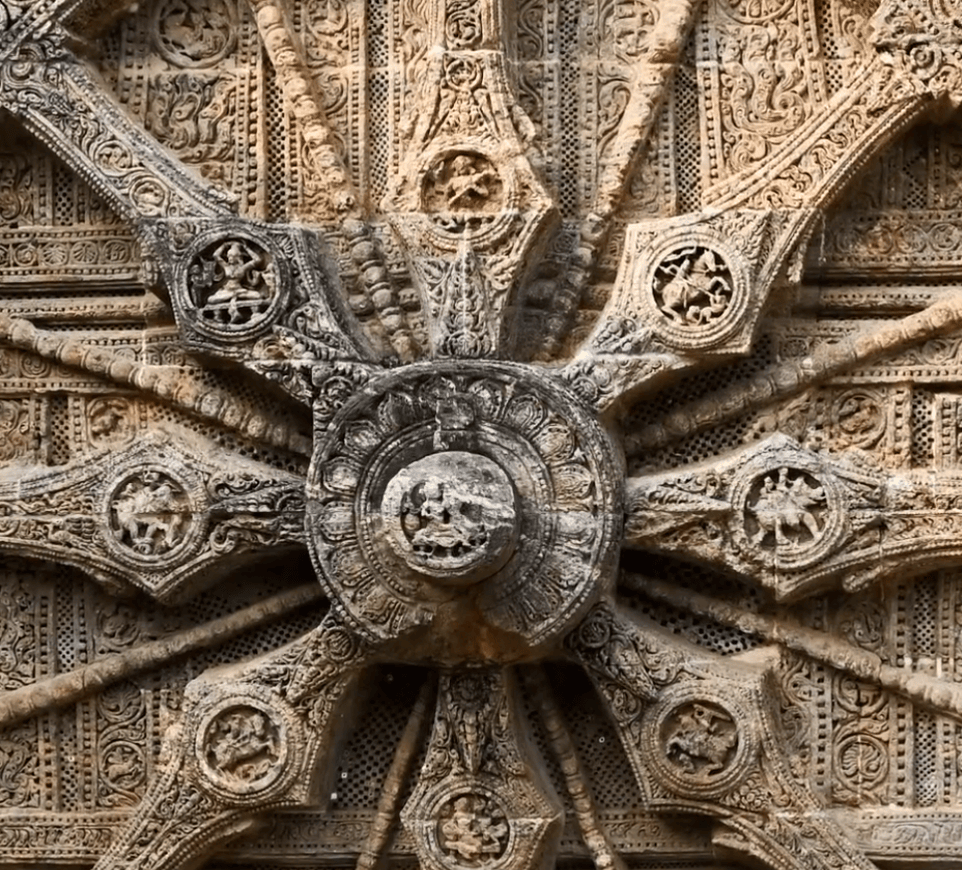
Reincarnation philosophies are most developed in the Indian religions but are prevalent throughout all of world history. The various Indian religions differ on the details but all share a doctrine of karma, the law of cause and effect, and believe the birth-death cycle ultimately ends when the individual self achieves union with God. Meaning that liberation is an internal process, and a choice that only the individual can attain for themselves.
The mainstream monotheistic religions reject reincarnation, teaching there is only one earthly life. But several other groups have always embraced reincarnation. This includes the Gnostics, the Rosicrucians, and just about every Western Occult tradition. Reincarnation was documented in Ancient Greece by Pythagoras, Socrates, and Plato. And it exists in varying forms among indigenous peoples everywhere. A common thread across most traditions is that our Earth reality exists for souls to learn from human experience, and a single life isn’t long enough to learn what a soul needs to learn.
In the 19th-century, Albert Heim collected the near-death accounts of mountain climbers, soldiers, and people who’ve drowned. But modern NDE research began with Raymond Moody’s 1975 book, Life After Life, which coined the term, Near-Death Experience. A near-death experience, NDE, is a profound, vivid and conscious event that people experience when clinically dead, close to death, or facing a severe crisis. Some researchers think the NDE is a surge of brain activity caused by the brain failing, but there is no proof of that, and it is mostly still a mystery.
What’s most interesting is that within these NDEs there is a consistent cluster of elements across all cultures: detachment from the body, levitation, a sense of traveling through a tunnel, entering into either a space of bright light or of comforting darkness, total serenity, Nirvana, and a sense of “returning.” The person then typically finds themselves in a “life review” space which includes feeling the emotional impact that your actions had on others over the course of your life. Present witnesses to your life review are often deceased relatives or other spiritual beings who seem to recognize and love you.
Many NDEs involve hovering above their own body, and studies show that people having NDEs can have accurate awareness of what was happening in the room during the time they were technically dead. In some cases, NDEs have shown no measurable brain activity but have nonetheless become dramatically life-changing. They are a mystery perhaps on par with death.
The classic Gnostic texts say that a delusional, jealous creator named, Yaldabaoth, created the causal order of reality as we know it as a soul trap to feed off the people’s fear, anger, and obsession, and designed the cycle of birth, death, and reincarnation as a way to keep us in the trap. Escape only comes through gnosis, which means, direct experiential knowledge of one’s true self. Realizing one’s spiritual nature a midst the clamor of the human ego.
This is a very similar philosophy as you’ll find in much of Tibetan Buddhism, where the cycle of birth and death is seen as a trap that can be escaped through spiritual knowledge. The main difference is that the Tibetan Buddhist sees the rebirth as the natural consequence of craving and ignorance, and does not recognize a villain like Yaldabaoth and the Archons. To the Tibetan Buddhist, once you free your self of ignorance, enlightenment is achieved and the cycle of rebirth ends. Tibetan dream yoga is designed as training for the after-death state. If you can become conscious while inside a dream, you can more likely become conscious in the after-death state and avoid getting swept into another rebirth, or choose your next rebirth with conscious intention.
The Russian Orthodox philosopher, Nikolai Fyodorov, is widely regarded as the precursor to transhumanism. He argued that humanity could use technological progress to resurrect the dead and achieve immortality. Transhumanism today denies that there is a soul connected to a divine source, but believe there is an identity which can live beyond its mortal vessel. They believe that the individual is essentially a code that can be moved from a human body to a hard drive, and will somehow continue to live on as it does in the human body.
From Greg Reese on substack.
What's Your Reaction?
 Like
0
Like
0
 Dislike
0
Dislike
0
 Love
0
Love
0
 Funny
0
Funny
0
 Angry
0
Angry
0
 Sad
0
Sad
0
 Wow
0
Wow
0